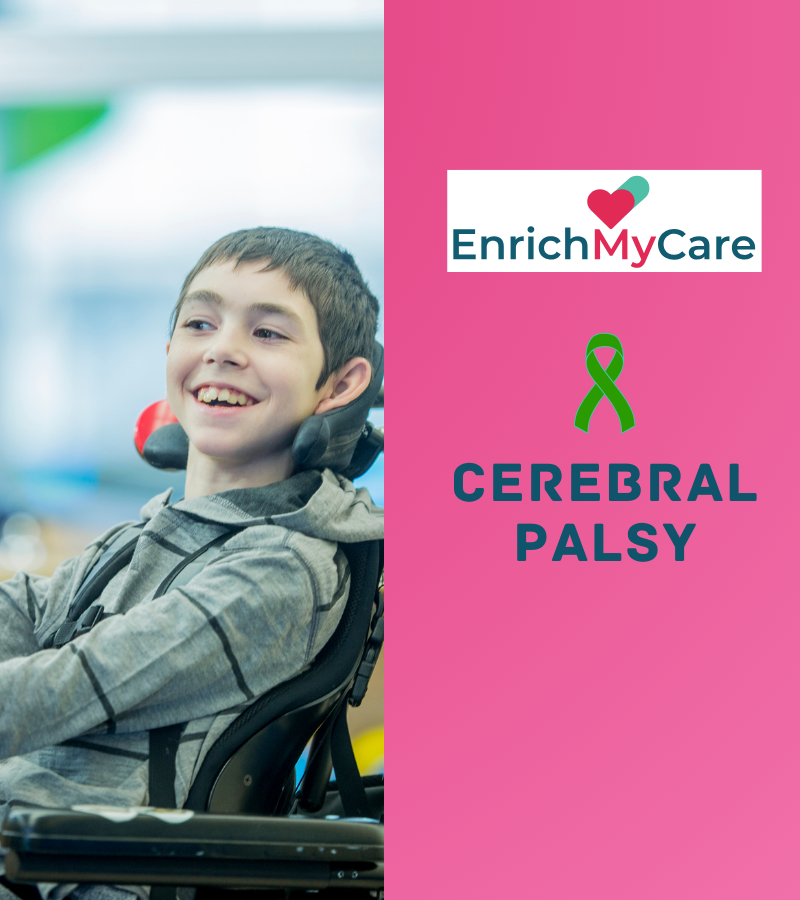
Key notes: For parents and carers, cerebral palsy, symptoms, intervention, specialist equipment, support
Read time: 2 – 3 minutes
Cerebral palsy is the collective name for a group of lifelong neurological conditions that affect movement and coordination. It is commonly caused by bleeding in the baby's brain or reduced blood and oxygen supply to the brain, an infection caught during pregnancy, asphyxiation during birth, meningitis or a serious head injury.
Symptoms
The symptoms usually become apparent in the early years of a child's life and include:
These symptoms vary in severity between individuals, so it's best to talk to your GP if you have concerns for your child.
Early interventions
Early interventions for children with cerebral palsy should consist of repetitive movements that involve meaningful use of the upper and lower extremities to strengthen neural connections in different contexts and environments. Physiotherapy exercises such as assisted standing, push ups, reaching, pulling, pushing, and balancing movements and will all help reinforce strength.
Depending on the severity of cerebral palsy and the type, different equipment can be used to assist your child in living independently. Communication devices such as electronic communication boards, eye-tracking devices, hearing devices like cochlear implants, and adaptive writing and typing aids like pen grips or weighted pencils can all aid in allowing your child to communicate and form friendships with others. For more daily activity help devices such as adaptive dressing aids, bathroom modifications like safety bars, and moveable tables etc allow for easier movement around the house. Once your child has their diagnosis, the team who assessed them will determine what support devices are required and will steer you to locate the appropriate ones.
Support
Having a child with cerebral palsy can be difficult and often comes with doubts and concerns as it can be difficult to predict the outcome of the child. However, most children live to adult life and can live independent lives.
There are support groups available for people in similar situations to you and to gain advice. These can range from national, to local, to online. An example of a national group is Scope, the main UK charity for people with cerebral palsy and their families. https://www.scope.org.uk/ With an online community https://forum.scope.org.uk/ and free email ([email protected]) and telephone (0808 800 3333) helplines, they can provide advice when required and support.
JMW are a group of solicitors who focus specifically on cerebral palsy claims to help fight for compensation to help pay specialist medical care and changes to your home to accommodate the needs of your child (can be called on 0345 241 4371 or accessed via link in resources). It's essential to know your legal rights and the resources available to you. So, access to solicitors such as JMW is incredibly helpful, and all should provide a free legal case review.
Resources
Scope https://www.scope.org.uk/
NHS cerebral palsy https://www.nhs.uk/conditions/cerebral-palsy/
Full symptoms list https://www.mayoclinic.org/diseases-conditions/cerebral-palsy/symptoms-causes/syc-20353999
Backed by Oxford University Hospitals

Institutional shareholder in Enrich Digital Technologies Ltd.
Working Across the NHS, Academic & Innovation Ecosystem







Our Assurance and Recognition
Meeting rigorous standards for safe, secure and clinically governed digital healthcare.



Developed and evaluated in partnership with NHS clinical teams.